Source Medical Use Plastic Bottle Cap for Household, Automotive, and Agricultural
Source medical use plastic bottle cap options from 30 verified listings. Compare features like PP material, ISO certification, and custom sizes for household, automotive, and agricultural needs. Find reliable suppliers offering recyclable screw caps and pump sprayers with OEM support.
Key considerations
Products List




Comprehensive Sourcing Guide
Medical Use Plastic Bottle Cap Sourcing Guide
Procuring caps for medical applications requires strict adherence to material purity and functional reliability. Buyers must prioritize caps manufactured from polypropylene (PP), a material widely recognized for its chemical resistance and suitability for sterile environments. The observed market data indicates that PP is an essential component in many listings, ensuring that the final product can withstand common disinfectants and pharmaceutical formulations without degrading. This material choice is critical for maintaining the integrity of the contents and preventing contamination during storage and transport.
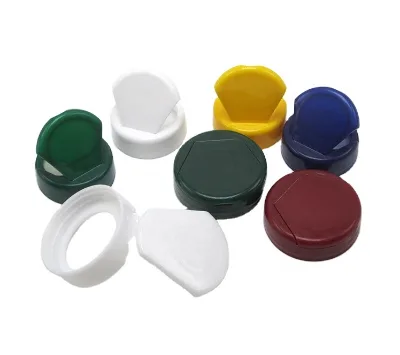
Beyond material selection, the structural design of the cap plays a pivotal role in safety and usability. Common configurations include screw caps, flip-top caps, and pump sprayers, each serving distinct dispensing needs within the medical sector. For instance, screw caps offer robust sealing for long-term storage, while pump sprayers are often utilized for topical applications or liquid dispensing. Buyers should evaluate the specific application, such as filling water, juice, oil, or cosmetics, to determine the most appropriate closure mechanism that ensures both security and ease of use for the end consumer.
Product Scope and Observed Listing Signals
The current market landscape for medical-grade closures features a diverse array of product types, ranging from simple screw caps to more complex smart lids and pump sprayers. Listings frequently highlight customization options, allowing buyers to tailor the color, shape, and size to their specific branding and functional requirements. The observed data shows that sizes such as 24mm, 28mm, and 55mm necks are commonly available, providing flexibility for various bottle dimensions. This variability enables procurement teams to source standardized components that fit existing packaging lines without requiring significant machinery adjustments.
Packaging and logistics details also vary significantly across suppliers, impacting the total cost of ownership. Some providers offer bulk packing in cartons with specific dimensions, such as 50x44x46.5cm for 2000 pieces, while others use safe export packs or box configurations. Understanding these packing standards is crucial for warehouse planning and shipping efficiency. Additionally, the presence of certifications like ISO, RoHS, and TS16949 in listings suggests a baseline level of quality management, although buyers must verify that these certifications specifically cover medical-grade production processes rather than general manufacturing standards.
Technical Specifications to Verify
Dimensional accuracy is paramount when sourcing medical bottle caps to ensure compatibility with existing bottling equipment. Buyers should verify neck sizes, such as 24/410 or 28/410 standards, which are frequently cited in product listings. Tolerances as tight as 0.1mm are often claimed, which is essential for maintaining a consistent seal and preventing leaks. It is advisable to request physical samples to test the fit and torque requirements, as theoretical specifications may not always reflect real-world performance. This verification step helps avoid production delays caused by ill-fitting components on high-speed filling lines.
Weight and structural integrity are also key technical factors to consider. Most observed caps weigh less than 5kg, with individual unit weights varying based on design complexity. Features like recyclability and solid cone shapes may influence the mechanical strength and environmental impact of the cap. Buyers should assess whether the cap design supports the intended usage, such as filling water, juice, oil, or cosmetic products, ensuring that the closure mechanism can withstand the pressure and viscosity of the contents. Confirming these details with the supplier ensures that the product meets both functional and regulatory expectations.
Compliance and Safety Documentation
Regulatory compliance is non-negotiable for medical use plastic bottle caps, requiring thorough documentation from suppliers. Certifications such as ISO, CE, RoHS, and TS16949 are commonly listed, indicating adherence to international quality and environmental standards. However, buyers must confirm that these certifications explicitly cover medical-grade materials and processes. Reach compliance is another standard mentioned in listings, which is vital for ensuring that the plastic components do not contain harmful substances that could leach into the product. Verifying the scope of these certifications prevents legal liabilities and ensures product safety.
In addition to certifications, buyers should request material safety data sheets (MSDS) and migration test results to verify the purity of the polypropylene used. These documents provide evidence that the caps are safe for contact with food, pharmaceuticals, or medical devices. It is also important to check for any specific medical device regulations that may apply in the target market. By demanding comprehensive safety documentation, procurement teams can mitigate risks associated with product recalls or regulatory non-compliance, ensuring that the final product meets all necessary health and safety standards.
Cost Drivers and Commercial Terms
Pricing for medical bottle caps is influenced by several factors, including material costs, customization requirements, and order volume. The observed price range in the market is broad, reflecting the diversity of product types and quality levels. Buyers should note that customization, such as custom colors or specific neck sizes, may incur additional costs. Minimum order quantities (MOQs) also vary significantly, with some suppliers requiring as few as 10,000 pieces while others demand up to 220,000 pieces. Understanding these commercial terms helps in negotiating favorable pricing and ensuring supply chain stability.
Payment terms and lead times are critical components of the procurement strategy. Suppliers may offer free samples to facilitate evaluation, but buyers should clarify any associated shipping or handling fees. It is advisable to establish clear agreements on delivery schedules, especially for large orders, to avoid production bottlenecks. Additionally, warranty periods, such as the 12-month warranty observed in some listings, provide assurance against manufacturing defects. By carefully reviewing these commercial terms, buyers can optimize their procurement budget and ensure a smooth transaction process.
Supplier Qualification and Quality Control
Evaluating supplier qualifications is essential to ensure consistent quality and reliability. Buyers should prioritize suppliers located in established manufacturing hubs like Zhejiang, Ningbo, and Qingdao, which are known for their plastic packaging industries. These regions often have mature supply chains and experienced manufacturers capable of meeting high-volume demands. However, location alone is not a guarantee of quality; buyers must conduct thorough due diligence, including factory audits and reviews of past performance. This step helps identify suppliers who can consistently deliver products that meet specified technical and compliance requirements.
Quality control processes should be clearly defined and agreed upon before placing orders. Buyers should inquire about in-process inspections, final quality checks, and packaging standards to ensure that the caps arrive in perfect condition. The use of carton boxes or safe export packs indicates an awareness of logistics risks, but buyers should verify that these methods protect the caps from damage during transit. Establishing a robust quality control framework, including regular communication and feedback loops, helps maintain high standards and addresses any issues promptly, ensuring long-term partnership success.
Long-Term Procurement Checks
Sustaining a successful procurement relationship requires ongoing monitoring and evaluation of supplier performance. Buyers should regularly review key performance indicators such as on-time delivery rates, defect rates, and responsiveness to issues. This continuous assessment helps identify potential risks early and allows for proactive measures to mitigate them. Additionally, staying updated on regulatory changes and industry trends ensures that the sourced caps remain compliant and competitive. By maintaining a dynamic approach to supplier management, buyers can adapt to market shifts and maintain a reliable supply chain.
Future-proofing the procurement strategy involves exploring opportunities for innovation and sustainability. Buyers should engage with suppliers who are investing in new technologies, such as smart lids or recyclable materials, to enhance product value. Regularly revisiting cost structures and exploring alternative sourcing options can also help optimize expenses. By fostering a collaborative relationship with suppliers, buyers can drive continuous improvement and ensure that the medical bottle caps meet evolving market demands. This long-term perspective supports sustainable growth and operational efficiency in the procurement function.
FAQs
What materials are commonly used for medical use plastic bottle caps?
Polypropylene, or PP, is the material most commonly listed for medical use plastic bottle caps on this page, because it is recyclable, chemically stable, and suitable for medical, household, and electronics applications. Some listings describe the material simply as plastic with PP as an essential component. Always confirm the exact resin grade and safety documentation with the supplier before ordering for medical use.
Which certifications should I check before buying medical plastic caps?
Look for ISO certification as a baseline quality-management credential, since it appears across the listed products. Additional certifications on comparable listings include RoHS and TS16949 for automotive-linked production, and CE for certain cap types. For medical applications, also ask suppliers to confirm REACH compliance, which is listed as a product standard, and request certificates directly rather than relying on listing labels.
Can I order custom colors and shapes for medical bottle caps?
Yes, customization is available on the listed products, including custom-made colors and customized models. Standard shapes include solid cone designs with flip top or screw cap types, and golden custom colors are offered on some caps. Suppliers typically require a minimum order quantity, such as 10000 to 30000 pieces for golden caps, so confirm the customization scope, tooling cost, and free sample availability before committing.
What neck sizes and specifications are available for these caps?
Listed specifications include common neck standards such as 24/410 and 28/410, a 55mm neck option, and sizes of 24mm, 28mm, and other dimensions on request. Caps are described as small in size, with weight based on the cap design. Since models like HH-FP and HH-DC are customized, provide your bottle drawing so the supplier can match the neck finish precisely.
How are medical use plastic bottle caps packed for export?
Export packing varies by product. Listed packing configurations include cartons of 2000 pieces measuring 50X44X46.5cm, 2500 pieces per carton at 57*33*37cm, plain carton boxes, and generic safe export packing. For medical applications, ask whether inner liners, sealed polybags, or dust protection can be added. Confirm the exact packing configuration and carton markings with the supplier in writing before shipment.
Where are these medical plastic caps manufactured and shipped from?
The listed products originate mainly from Zhejiang province, including Ningbo, with other listings from Qingdao and general China origins. Zhejiang and Ningbo are well-known plastic packaging production hubs with port access for export shipments. When comparing suppliers, note that origin affects freight cost and lead time, so request quotes that include shipping terms from the specific origin city.